/
Please enable JavaScript to play our music tracks!
Waveform will be available soon!
All rights reserved. No usage without prior licensing. Please be fair. Thank you!
Acoustic pop / light rock track based on acoustic guitars in a contemporary, slightly folky rock band arrangement. Easy going, wholesome, positive and laidback. Family and friendships, good times.
Heartwarming, romantic and slightly melancholic piano film music with a very soft tune and beautiful harmonies.
A romantic Italian love tune featuring solo violin, mandolin and guitar. Sad, reflective and fragile.
Didgeridoo lead groover. Didge combines with dulcimer, strings and a laid back groove to produce an intriguing, hypnotic track with an air of mystery to it. The mid part brings in another colour and dimension through use of spacious and emotional vocals lines.
Pop Reggae ballad with wah wah guitars and marimba. Slow, swaying feelgood reggae. Caribbean, Hawaiian, Tropical feel, Wah-wah lead lines. Also available as an Underscore version without the main/lead solo guitar lines.
… and sometimes not quite as far up as you would like to be. Then you might need a good portion of Blues from the steam pot of the South.
Emotional track in the style of Russian folk music.
A rhythmic, dark, orchestral track of amazement and tension. Similar to the style/sound of Hans Zimmer music, this cinematic piece has a strong sense of nerve and drama.
Very rhythmic techno spy tune, featuring lots of synth bass and percussion. For a big action or chase scene.
A wishful female voice with bagpipe and fiddle. Gentle and happy.
The most famous of Liszt's Liebestraums. A popular melody which flows along with grace and elegance. Widely used in advertising, films and TV, this loving and emotional piece is perfect for giving an emotional and intense sensitivity to all projects and productions.
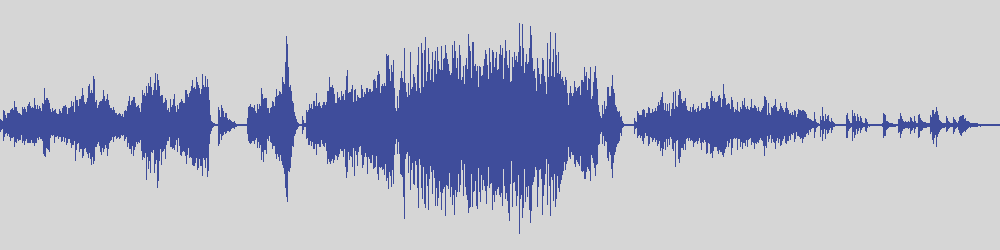
A beautiful, flowing introduction leads us into a magical fantasy. Sweet and tender, this is the first of Debussy's 'Deux Arabesques'. Written in E major and played at a slow tempo it gives a regal, emotional tone. Widely used in popular culture such as in TV themes and advertising. It has also been sampled by Alicia Keys and used in the video game 'Final Fantasy V'.